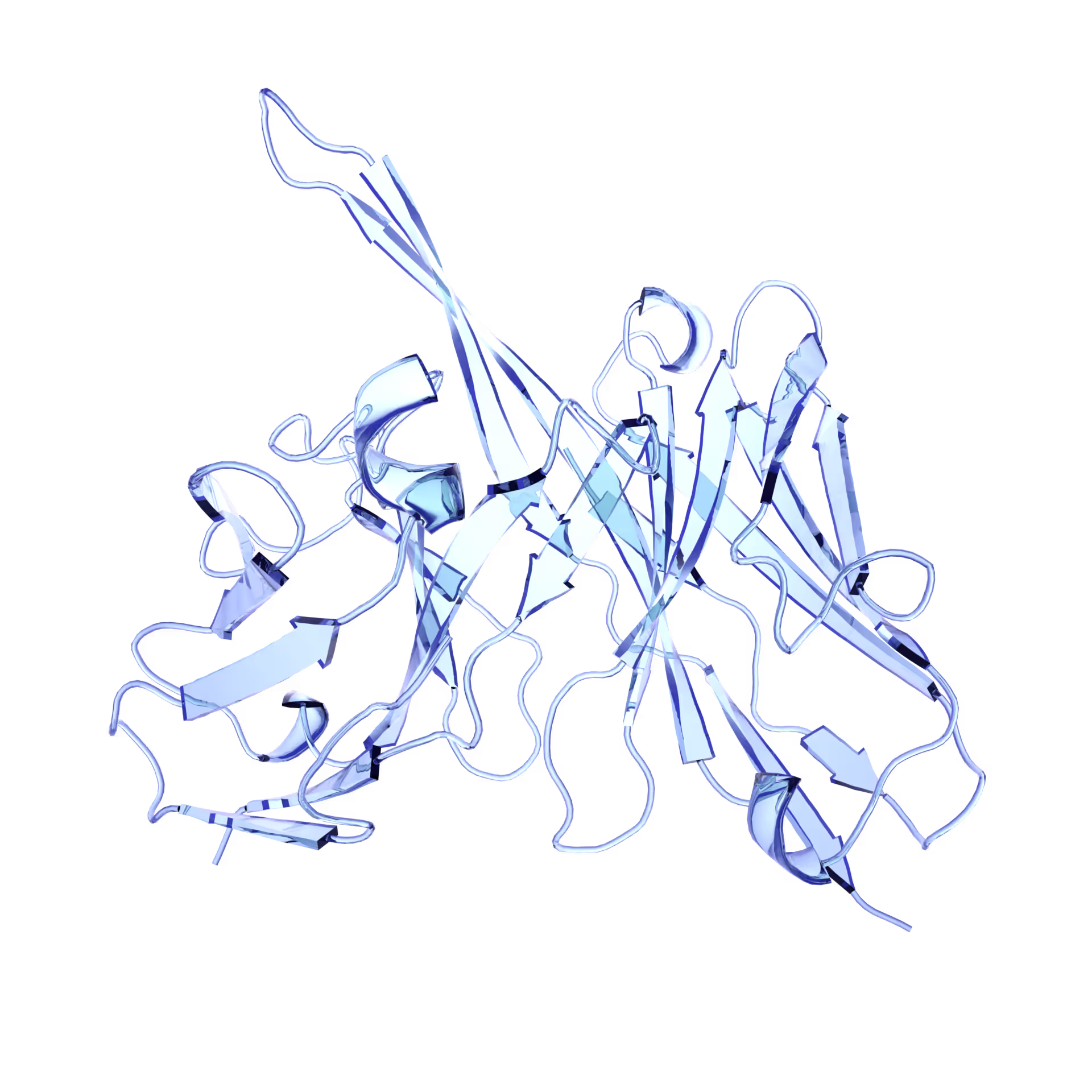
Stable Cell Line Development for Antibody Production or Target Expression

Starting with Stable Cell Lines
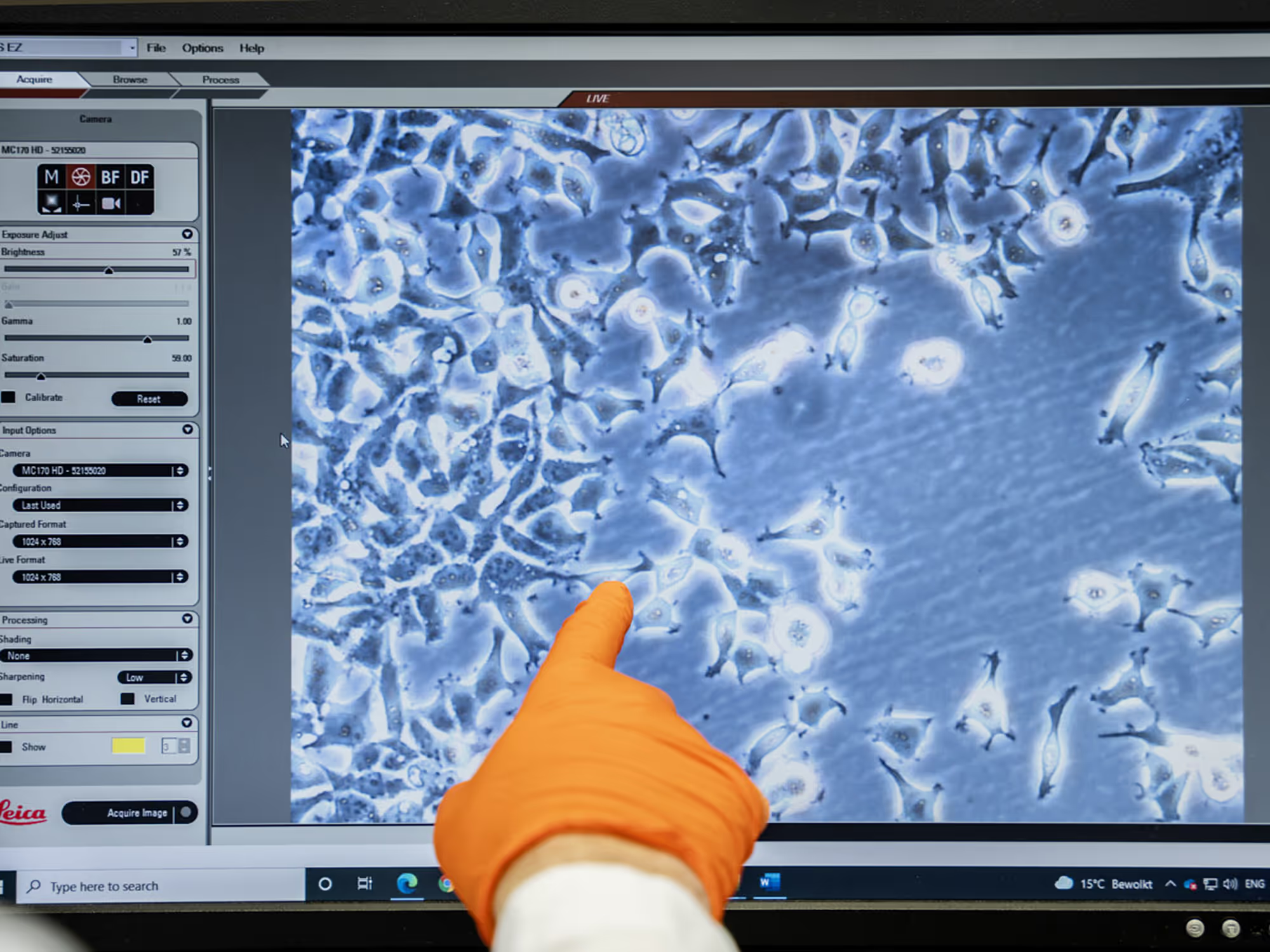
A successful antibody discovery and development workflow depends on cells that have been stably modified to continuously express a protein of interest — whether membrane-expressed targets used in screening or antibodies destined for production. AVS Bio generates stable cell lines for both research purposes and GMP manufacturing, and we provide Research Cell Banks for all stable cell lines we develop. With more than 20 years of cell line development experience, AVS Bio has supported hundreds of research and development programs across biopharmaceutical companies, academic institutions, and biotechnology companies at every stage of the development pipeline.
Cell Line Formats
AVS Bio develops stable cell lines across three platforms:
HEK293 — Human Embryonic Kidney cells that produce human-like glycosylation patterns, making them the preferred choice for research-scale protein expression and for proteins where glycan structure affects function or immunogenicity.
CHO — Chinese Hamster Ovary cells, the industry standard for large-scale biopharmaceutical manufacturing. CHO cell lines developed by AVS Bio can be designed from the outset with a GMP manufacturing pathway in mind, enabling transition from research to commercial scale without re-engineering the expression system.
Custom cell lines — developed to order for specific target types, expression requirements, or experimental contexts that standard HEK293 or CHO formats cannot address.
Master Cell Banks
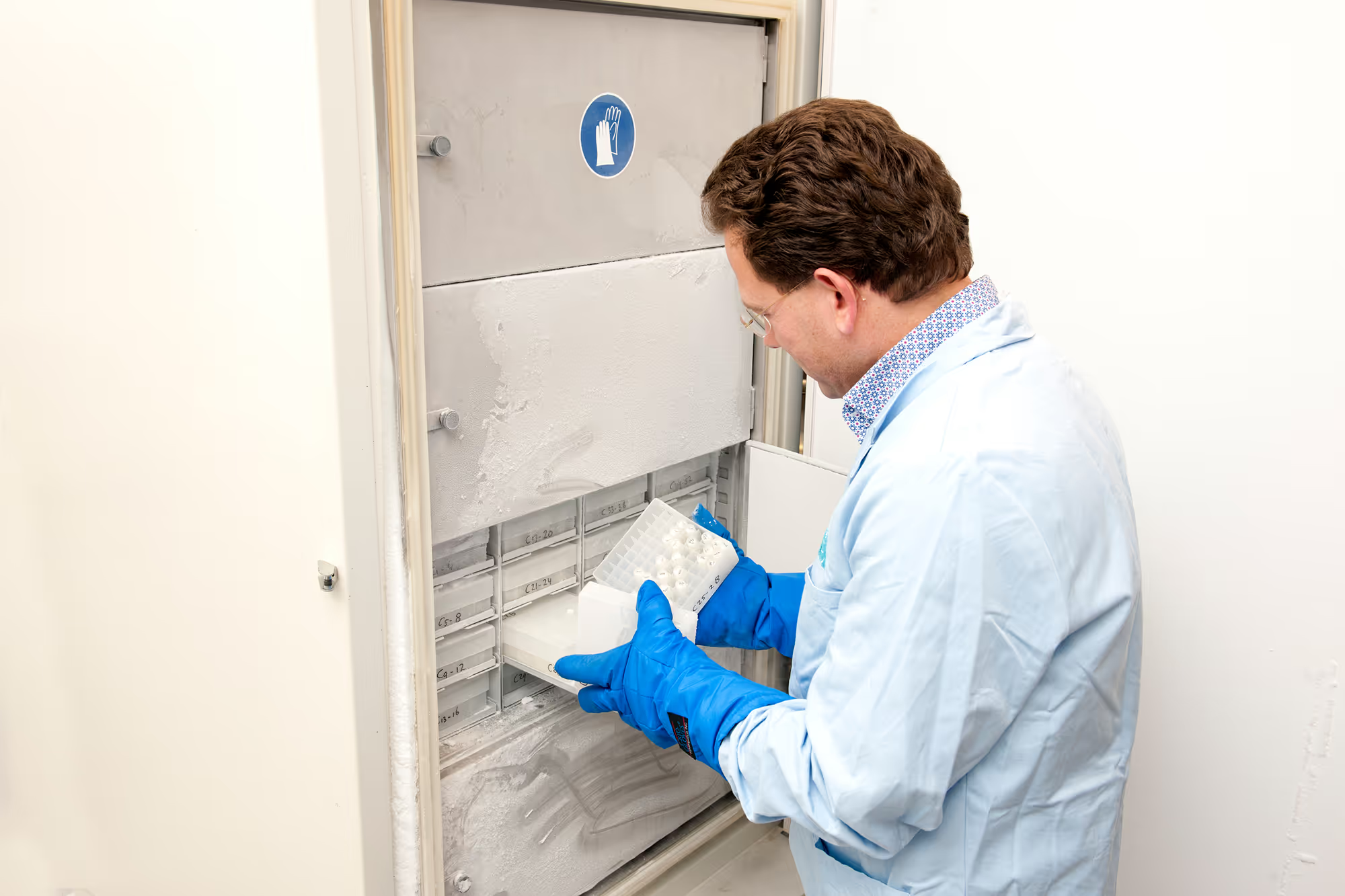
All stable cell lines developed at AVS Bio include establishment and maintenance of Master Cell Banks (MCB) and Working Cell Banks (WCB) — a characterized, quality-controlled, cryopreserved repository of the producing cells. The MCB ensures the long-term availability and reproducibility of your cell line across experiments, batches, and regulatory submissions. Our scalable solutions support both research applications and future GMP manufacturing, providing a seamless path from discovery to clinical antibody production.
Integration with rPEx® Production
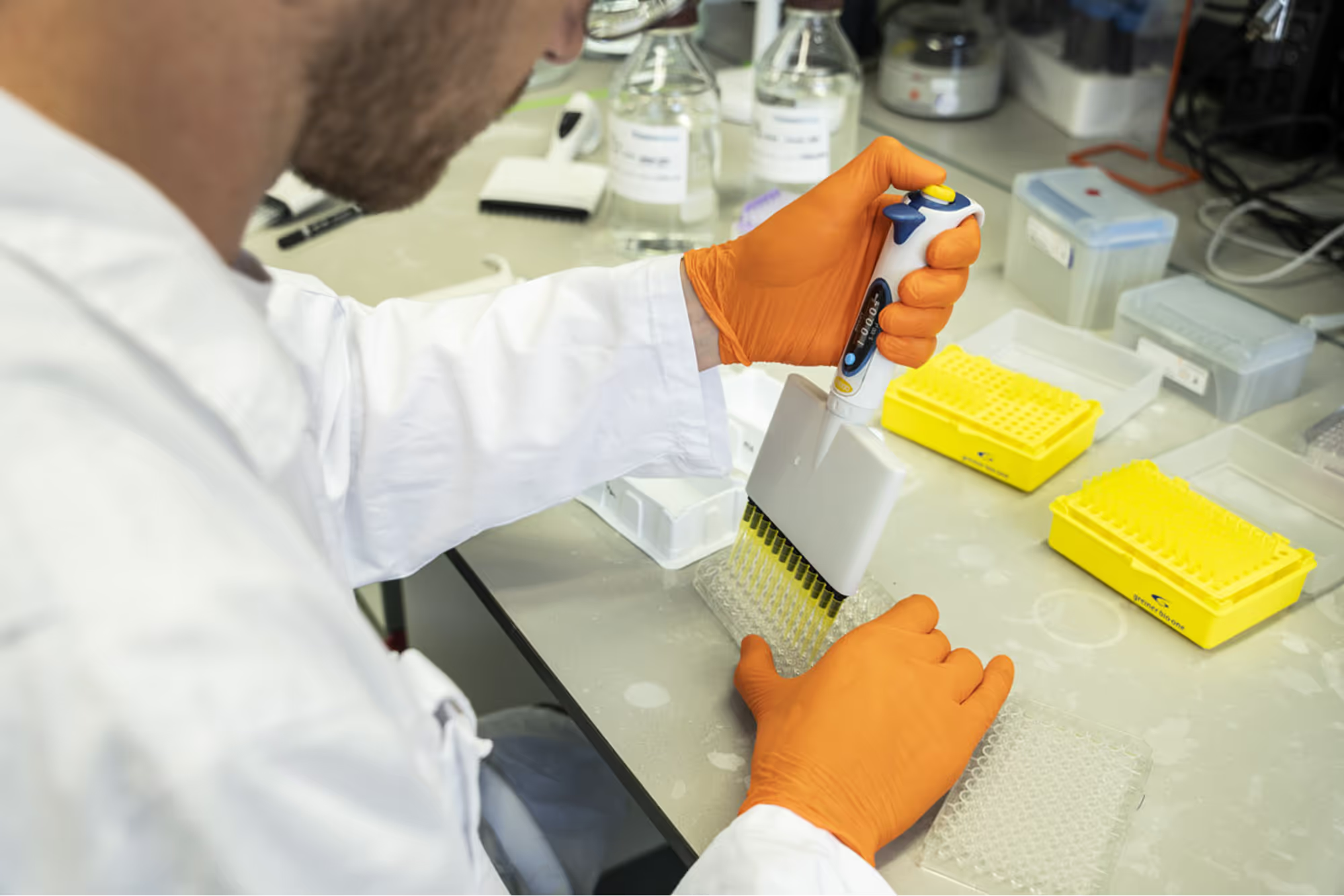
Stable cell lines developed at AVS Bio integrate directly into our rPEx® recombinant protein expression platform, enabling a seamless transition from cell line development into protein or antibody production at scales from research quantities up to 150 liters. This continuity — from stable cell line through production — reduces handoff risk and compresses project timelines.
Frequently Asked Questions
Q: What cell line formats does AVS Bio develop for antibody production?
A: AVS Bio develops stable cell lines in HEK293 and CHO formats for antibody and recombinant protein production. HEK293 lines are preferred for research-scale production where human-like glycosylation is required. CHO lines are the industry standard for GMP manufacturing due to their high expression yields and established regulatory track record. Both formats are supported with Master Cell Bank documentation.
Q: What is a Master Cell Bank and why is it included in cell line development?
A: A Master Cell Bank (MCB) is a characterized, cryopreserved stock of a stable cell line produced at a defined passage number. It serves as the primary reference material for all future production runs, ensuring consistency and traceability. AVS Bio includes MCB generation as a standard component of cell line development programs, providing the foundation for scale-up and eventual GMP manufacturing.
Q: What is the difference between a stable cell line and a transient expression system?
A: A stable cell line has the gene of interest permanently integrated into the host cell genome, providing consistent, long-term expression suitable for manufacturing. A transient expression system introduces DNA temporarily, producing protein quickly but without long-term stability or batch-to-batch consistency. Stable cell lines are required for GMP manufacturing; transient systems are used for rapid early-stage protein production and feasibility testing.



.avif)